
Why an emergency fund is crucial for financial stability?
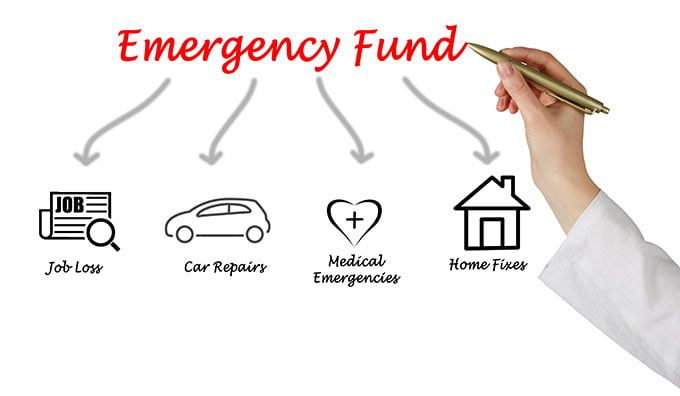
An emergency fund is a key component of a solid financial plan. It’s a savings account that is set aside specifically for unexpected expenses, such as a car repair or a medical emergency. Having an emergency fund can help you weather financial storms and avoid going into debt when unexpected expenses arise.
But many people don’t have an emergency fund, or they have one that is insufficient to cover their needs. This can be a serious mistake, as the lack of an emergency fund can set you back financially in a number of ways.
First, an emergency fund can help you avoid going into debt. If you don’t have an emergency fund and you have an unexpected expense, you may be forced to put the charge on a credit card or take out a loan. This can lead to high-interest debt that can take years to pay off, and it can also damage your credit score. By having an emergency fund, you can avoid these pitfalls and maintain your financial stability.
Second, an emergency fund can help you avoid financial stress. Unexpected expenses can be stressful enough on their own, but when you have to worry about how you’re going to pay for them, the stress can be overwhelming. An emergency fund can provide peace of mind, knowing that you have a financial cushion to fall back on in case of an emergency.
Finally, an emergency fund can help you avoid making rash financial decisions. When you’re in a pinch, it can be tempting to make hasty financial decisions, such as selling investments at a loss or taking on high-interest debt. An emergency fund can give you the time and space you need to make more reasoned financial decisions.
So, how much should you have in your emergency fund? As a general rule of thumb, experts recommend having enough to cover three to six months of living expenses. This may seem like a daunting amount, but it’s important to remember that an emergency fund is for emergencies, and it’s better to have too much than not enough. Start small and build your emergency fund over time, and you’ll be better prepared for whatever financial challenges may come your way.