

Introduction
In recent years, the Indian technology sector has been seen as one of the most stable and high growth employment engines in the country. For thousands of professionals, it provided not just income, but confidence to make long term financial commitments such as buying a home. Home loans, often stretching across twenty years or more, were taken with the assumption that income would remain stable and predictable. That assumption is now being tested.
The rise in layoffs across the IT sector is not just an employment issue. It is a financial stress event that can ripple through household balance sheets. When a steady income suddenly disappears, fixed obligations such as home loan EMIs do not pause. They continue, regardless of personal circumstances. This creates a gap between income and obligation, and that gap can quickly escalate into a serious financial problem.
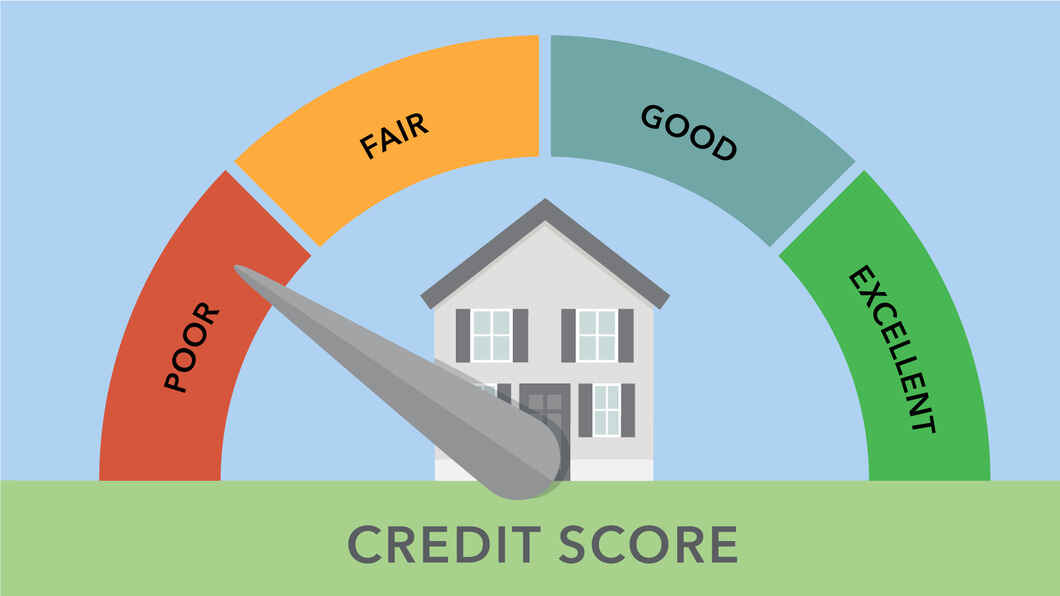
The real risk is not just missing one EMI. The real risk is a gradual slide into default, which can eventually lead to the loan being classified as a non performing asset. Once that happens, the consequences extend beyond the loan itself. Credit scores are damaged, future borrowing becomes difficult, and financial recovery becomes more complex.
How Layoffs Translate Into Loan Stress
A layoff is not just a loss of salary. It disrupts the entire financial structure of an individual. Most salaried professionals design their financial plans around predictable monthly income. Expenses, savings, investments, and EMIs are all aligned with this assumption.
When income stops, the structure collapses.
The first few months may be manageable if there are savings, but as time passes, the pressure builds. Fixed expenses such as rent, utilities, and EMIs continue, while savings begin to deplete. The psychological stress of unemployment further complicates decision making, often leading to delayed or reactive actions.
In the case of a home loan, the situation becomes more critical because EMIs are typically large and inflexible. Missing even a single payment can trigger penalties and impact credit history. Repeated delays increase the risk of default, which is where the situation becomes serious.
Understanding What NPA Really Means
A non performing asset is not just a technical classification used by banks. It represents a stage where the loan has not been serviced for a specified period, typically ninety days or more. At this point, the bank considers the loan at risk.
For the borrower, this has significant consequences.
Once a loan becomes an NPA, the bank may initiate recovery actions. This can include legal proceedings, notices, and in extreme cases, repossession of the property. At the same time, the borrower’s credit score is severely impacted, making it difficult to access future credit.
What is important to understand is that reaching this stage is not sudden. It is the result of a series of missed or delayed payments, often combined with inaction.
This means that the risk can be managed if addressed early.
The First Line of Defense Is Preparation
The best way to handle financial risk is to prepare before it materializes. For professionals working in sectors prone to volatility, such as technology, this becomes even more important.
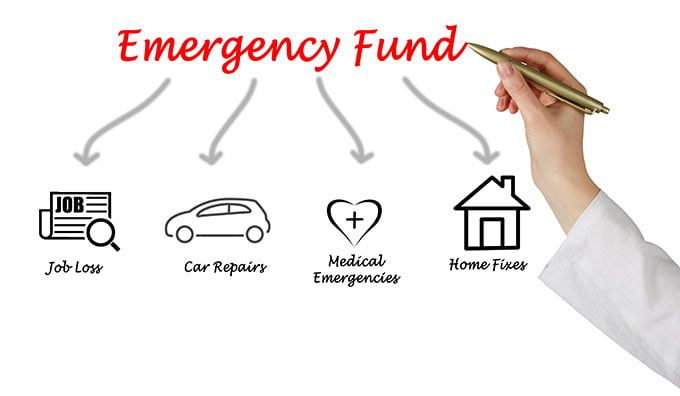
An emergency fund is not just a financial cushion. It is a buffer that allows you to continue meeting obligations during periods of income disruption. Ideally, this fund should cover several months of expenses, including EMIs.
However, preparation is not limited to savings.
Understanding the structure of your loan, your repayment schedule, and available options in case of difficulty is equally important. Many borrowers do not engage with their loan details until a problem arises, which limits their ability to respond effectively.
What You Should Do Immediately After a Layoff
When a layoff occurs, the instinct is often to delay financial decisions until clarity emerges. This approach can be risky, especially when it comes to loan obligations.
The first step is to assess your financial position honestly. Calculate your available savings, monthly expenses, and how long you can sustain your current commitments without income. This provides a clear picture of your situation.
The next step is communication.
Banks are not unaware of economic conditions or employment risks. If you approach them early and explain your situation, they are more likely to offer solutions such as restructuring or temporary relief. Waiting until payments are missed reduces your negotiating position.
Taking proactive action is always more effective than reacting after default.
Options to Manage EMI Pressure
Managing EMI pressure during a period of unemployment requires a combination of strategic decisions. This may involve adjusting your financial priorities, reducing non essential expenses, and exploring ways to maintain liquidity.
In some cases, restructuring the loan may provide relief by adjusting repayment terms. Extending the tenure or modifying the repayment schedule can reduce monthly burden, although it may increase total interest over time.
Another approach is to use existing investments selectively. While withdrawing investments is not ideal, it may be preferable to defaulting on a loan. The key is to evaluate trade offs carefully.
Each decision has consequences, and the goal is to minimize long term damage while managing short term stress.
The Role of Financial Discipline During Crisis
Financial discipline is often discussed during stable periods, but its importance becomes evident during crisis. The ability to prioritize obligations, manage expenses, and make rational decisions under pressure can determine the outcome.
Avoiding panic driven decisions is critical.
Selling assets at unfavorable prices, taking high cost loans to cover EMIs, or ignoring communication from lenders can worsen the situation. A structured approach, based on realistic assessment and proactive action, is far more effective.
Connecting Global Trends to Personal Risk
The rise in IT layoffs is not an isolated phenomenon. It is linked to broader global trends such as economic slowdown, changes in technology demand, and cost optimization by companies. These macro factors eventually translate into individual financial challenges.
Understanding this connection helps in preparing for future risks.
Employment stability can no longer be taken for granted. Financial planning must account for uncertainty, not just growth. This includes building buffers, diversifying income sources, and avoiding over leveraging.
The Bigger Lesson
The real lesson from this situation is not about layoffs or loans. It is about financial resilience.
Taking a home loan is not just a transaction. It is a long term commitment that requires planning beyond current income levels. It requires thinking about worst case scenarios, not just best case outcomes.
Those who build resilience into their financial plans are better equipped to handle disruptions.
Conclusion
IT layoffs are a reminder that financial stability is never guaranteed. They expose vulnerabilities in financial planning, especially when long term commitments are based on short term assumptions.
The risk of your EMI turning into an NPA is real, but it is not inevitable.
With preparation, awareness, and timely action, it is possible to navigate this challenge effectively. The key lies in recognizing the risk early, understanding your options, and making decisions that balance immediate needs with long term consequences.
Because in the end, financial security is not about avoiding risk.
It is about managing it intelligently.
Frequently Asked Questions
Missing an EMI can lead to penalties and negatively impact your credit score. If payments are missed for an extended period, the loan may be classified as a non performing asset, leading to serious consequences.
A home loan is typically classified as an NPA if payments are overdue for more than ninety days. However, issues begin much earlier with missed or delayed payments.
Yes, banks may offer solutions such as restructuring or temporary relief if you communicate your situation early. Waiting until default reduces available options.
Using savings to maintain EMI payments can help avoid default, but it should be done carefully while ensuring that essential expenses are also covered.
Yes, even a single missed payment can impact your credit score, making future borrowing more difficult and expensive.
Restructuring is generally a better option than default, as it allows you to adjust repayment terms without damaging your credit history significantly.
Selling the property can be an option if repayment becomes unsustainable. It allows you to clear the loan and avoid legal and credit consequences.
An emergency fund should ideally cover several months of expenses, including EMIs, to provide a buffer during income disruptions.
The biggest mistake is delaying action. Ignoring the problem or hoping it resolves on its own can lead to worsening financial conditions.
The key takeaway is to plan for uncertainty. Financial commitments should be backed by adequate buffers and a clear understanding of risks.