
Introduction
Real estate markets rarely react to global events in an obvious or immediate way. Unlike stock markets, which move rapidly with sentiment and news, property markets adjust slowly, often disguising deeper economic shifts beneath gradual price changes. But there are moments when global forces begin to exert pressure that cannot be ignored, and one such moment is unfolding now. The global oil crisis is not just affecting fuel prices or inflation at a national level. It is beginning to reshape the cost structure of real estate development in cities like Pune, and the implications for buyers and investors are far more significant than they appear at first glance.
For most individuals considering property in Pune, the focus is typically on location, builder reputation, and financing options. Very few step back to understand how global commodity prices influence construction costs, and even fewer connect these changes to their own purchase decisions. Yet, the rise in oil prices is directly increasing the cost of materials, transportation, and labor, which in turn is pushing developers and contractors to revise their pricing. This is not a temporary fluctuation. It is a structural shift that can influence property prices, project timelines, and investment returns over the coming years.
How Oil Prices Quietly Drive Construction Costs
To understand why the global oil crisis is impacting Pune real estate, it is essential to look at how deeply oil is embedded in the construction ecosystem. Oil is not just about fuel for vehicles. It influences almost every stage of the construction process, from raw material production to final project delivery.
When oil prices rise, transportation costs increase immediately. Materials such as cement, steel, bricks, and sand must be transported across distances, and higher fuel costs raise logistics expenses. But the impact does not stop there. Many construction materials are themselves energy intensive to produce. Steel manufacturing, cement production, and even the processing of construction chemicals depend on energy, and higher energy costs translate directly into higher material prices.
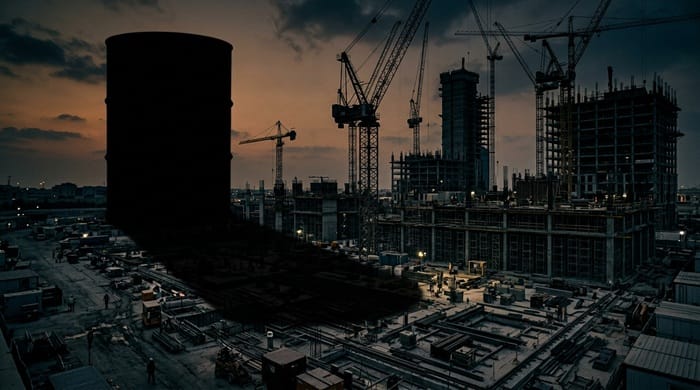
Contractors, who operate on tight margins, cannot absorb these increases indefinitely. As input costs rise, they begin to revise their pricing for labor and execution. This is why developers in Pune are now facing higher construction costs even for projects that were planned earlier under different cost assumptions. Over time, these increased costs inevitably get passed on to buyers.
The Direct Impact on Property Prices in Pune
When construction costs rise, developers are left with limited options. They can either absorb the cost, which reduces their margins, or they can increase property prices to maintain profitability. In most cases, especially when cost pressures are sustained, prices begin to move upward.
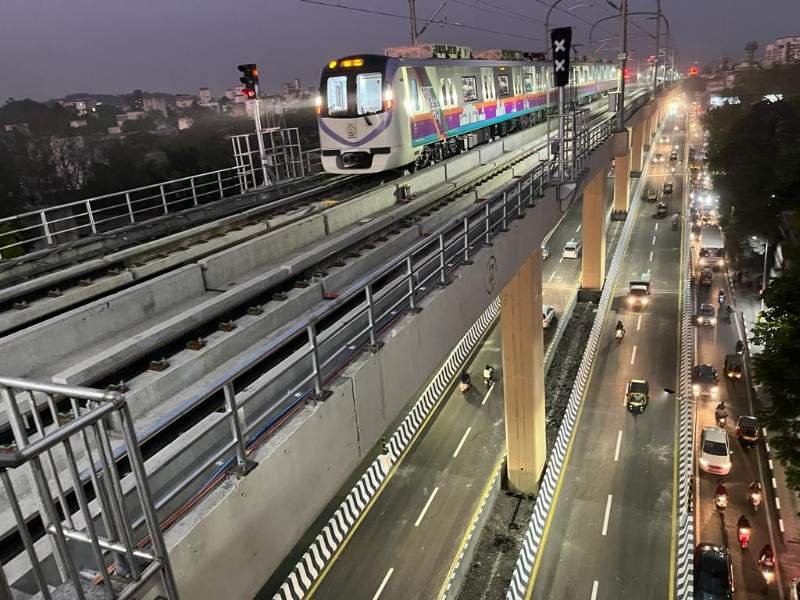
In Pune, where real estate demand has been relatively strong due to urban growth, infrastructure development, and IT driven employment, this creates a unique situation. Demand remains stable or growing, while supply becomes more expensive to produce. This combination often leads to price escalation.
For buyers, this means that the same property that was affordable a year ago may now come at a higher cost. For investors, it changes the entry point and potential returns. The window to purchase at relatively lower prices may begin to narrow as cost pressures build.
How This Affects Home Loan Decisions
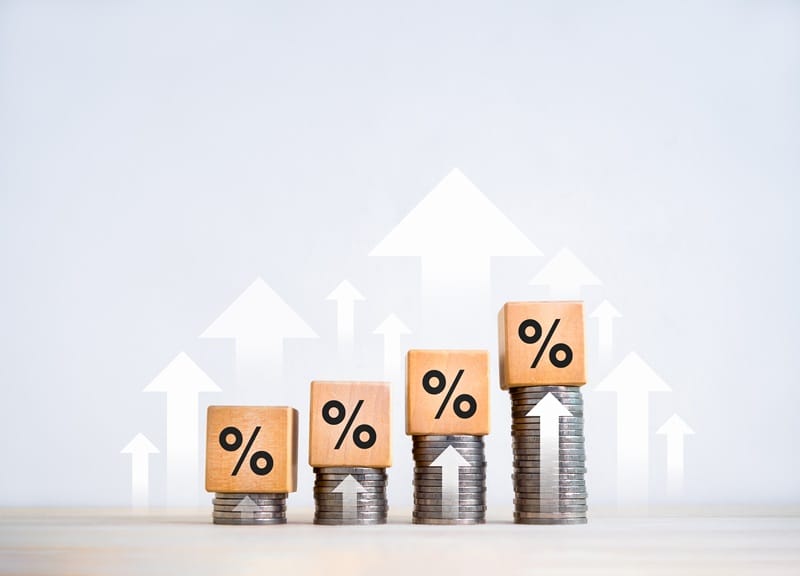
Rising property prices do not exist in isolation. They interact directly with financing decisions. As property values increase, the loan amount required also increases. At the same time, if inflation rises due to higher oil prices, interest rates may remain elevated.
This creates a double impact.
Higher property prices increase the principal amount. Higher interest rates increase the cost of borrowing. Together, they raise the overall financial burden on the buyer. Monthly EMIs become larger, and the total repayment over the loan tenure increases significantly.
For a salaried individual, this can stretch financial capacity. What was once a manageable EMI may now approach uncomfortable levels, forcing buyers to either delay purchase, choose smaller properties, or extend loan tenure.
The Investor Perspective
For investors, the situation requires a different lens. Rising construction costs can have both positive and negative implications. On one hand, higher costs can lead to higher property prices, which may benefit existing investors as asset values appreciate. On the other hand, new investments become more expensive, which can reduce yield and increase risk if prices rise faster than rental income.
Timing becomes critical.
Investors who enter the market before significant price increases may benefit from appreciation. Those who enter later may face compressed returns if prices stabilize or demand slows. This makes it essential to evaluate not just current prices, but also the trajectory of cost increases and market demand.
The Hidden Risk of Delayed Projects
Another consequence of rising construction costs is project delays. When costs increase unexpectedly, developers may face financial strain, especially if projects were priced based on earlier cost assumptions. This can lead to slower construction progress or delays in completion.
For buyers, this introduces uncertainty. Delayed possession can affect financial planning, especially for those who are paying both rent and EMI. It also impacts investment timelines, as returns are delayed.
This is an often overlooked risk, but it becomes more relevant during periods of cost volatility.
What Should Buyers in Pune Do Now
The current environment requires clarity, not urgency. Buyers should not rush into decisions purely out of fear of rising prices, but they should also not ignore the underlying trend.
If you are planning to buy property in Pune, it is important to assess affordability carefully. Consider not just the current price, but also your ability to handle higher EMIs if interest rates remain elevated. Evaluate the financial strength and track record of the developer to reduce the risk of delays.
Most importantly, align your purchase with your long term financial goals rather than short term market movements.
The Bigger Economic Perspective
The impact of the global oil crisis on Pune real estate is a reminder of how interconnected financial systems have become. A geopolitical event affecting oil supply can influence construction costs in a city, which in turn affects property prices, loan decisions, and investment strategies.
This interconnectedness means that local decisions are increasingly shaped by global forces. Understanding these connections allows individuals to make better decisions, not by predicting the future, but by preparing for possible outcomes.
Conclusion
The rise in construction costs in Pune due to the global oil crisis is not just a temporary disruption. It is a signal of deeper economic shifts that are influencing real estate markets. For buyers, it means higher prices and more complex financing decisions. For investors, it means reassessing entry points and expected returns.
Ignoring this trend can lead to delayed decisions that become more expensive over time. Reacting without understanding can lead to poor financial choices.
The right approach lies in awareness and preparation.
Because in a market shaped by global forces, informed decisions are not optional. They are essential.
Frequently Asked Questions
The global oil crisis increases fuel and energy costs, which directly impacts transportation and production of construction materials. This raises overall construction costs for developers in Pune, leading to higher property prices.
Property prices may continue to rise if construction costs remain high and demand stays strong. However, the rate of increase depends on multiple factors including interest rates, economic growth, and buyer demand.
The decision depends on your financial situation and long term goals. Waiting may not always result in lower prices if construction costs continue to rise. It is important to evaluate affordability and make a decision based on financial stability rather than market timing.
Higher construction costs lead to higher property prices, which increases the loan amount required. If interest rates are also high, this results in higher EMIs and greater overall repayment burden.
Pune continues to be a strong real estate market due to its economic growth and infrastructure development. However, investors need to carefully assess entry prices and potential returns in the current environment.
Construction costs may stabilize or reduce if global oil prices decline. However, such changes depend on global economic conditions and may take time to reflect in real estate markets.
Buyers should be cautious about project delays, rising EMIs, and over stretching their finances. Choosing reliable developers and maintaining financial flexibility is important.
Investors who enter the market before significant price increases may benefit from appreciation. However, careful analysis of demand and pricing trends is necessary to avoid overpaying.
Rental income may increase gradually as property prices rise, but it does not always keep pace with price appreciation. Investors should consider both rental yield and capital appreciation.
The most important takeaway is that global events can influence local markets. Understanding these connections helps in making informed and strategic financial decisions.